

Each of us has a hobby we enjoy, and scuba diving is a hobby that many people around the world love to pursue. It may seem surprising to some, but it’s fun and full of exciting adventure.
It gives a person a sense of energy and vitality after doing it, opening the door to discovering the world of the oceans and the strange creatures that inhabit them
and helps him learn about new things and discover the pearl that might be his reward for one of his attempts to find pearls
The goals of diving vary from person to person; some people dive for fun, to explore new things, and to enjoy the view of coral reefs and other underwater sights.
and people who do it professionally to conduct experiments or research that contributes to certain studies or to make discoveries that benefit humanity
There may be people who dive to explore marine resources and search for pearls
So if you're good at diving, why would you do it?
Information about scuba diving
Many of us may want to learn more about scuba diving, either to broaden our knowledge or to take up the sport seriously
We’ll share the most interesting facts about diving with you, and we’ve compiled a variety of useful information for you
When a diver goes underwater, he or she is equipped with a breathing apparatus containing compressed air that helps him or her breathe and descend to great depths with ease.
Although compressed air is widely used and well-established in diving, there is also a type of air known as enriched air, which is gaining popularity and is used extensively due to its effectiveness in reducing nitrogen absorption during repetitive diving.
Divers wear either dry or wet suits, depending on the water temperature, as well as a mask, helmet, and other equipment to ensure their comfort while diving. To prevent fatigue, they also wear special diving boots and gloves.
By wearing a diving scarf, the diver protects himself from marine animal stings and is able to ward off all stings
If there are marine predators such as sharks or whales in the area, the diver wears a diving cage.
There is a wealth of information available on diving. For those who wish to pursue this hobby professionally, there are specialized academies that provide instruction and all the information learners need to practice this wonderful sport, which is full of secrets.
The Benefits of Scuba Diving
Certainly, every sport a person practices offers numerous benefits for physical health and the body’s ability to function effectively; as they say, “Sport is life.”
Diving also offers many benefits to those who practice this hobby
- It stimulates blood circulation, as divers engage all the muscles in their bodies while diving
- It improves flexibility and physical fitness, increases the body’s endurance, and stimulates the lungs
- It helps release negative energy and promotes relaxation, as slow breathing during diving aids in relaxation
Diving offers many and varied health benefits, so if you enjoy this sport, don’t hesitate—give it a try whenever you can.
The Risks of Scuba Diving
Everything has both benefits and risks, and if not done correctly, it can end up causing harm to the person involved.
Similarly, scuba diving is beneficial for the body and health and is also enjoyable; however, if practiced incorrectly, it can be harmful to the diver.

The risks of scuba diving include the following:
- Increased gas pressure: Increased pressure of the oxygen and nitrogen gases inside the breathing cylinder may lead to elevated gas pressure in the blood
- Increased lung expansion: Rapid ascent to the surface while holding your breath traps air inside the lungs, causing them to expand significantly. To avoid this, you must ascend slowly to the surface without holding your breath.
With practice and by following the right steps, everything becomes simple and the danger is eliminated
Rules for Scuba Diving
Everything has its own rules and principles, and so does wickerwork
To practice scuba diving, you must follow proper diving procedures to avoid risks or problems that may arise or cause harm to the diver
The following are some of the rules that contribute to safe diving:
- Before diving, a diver must not take any medication, as this could be harmful
- Divers must be aware of their own capabilities and those of their teammates, and should consult experienced individuals about any concerns they may have
- Divers must inspect their diving equipment and ensure it is in good working order
- They must wear a buoyancy-compensating vest while diving to protect themselves
- Divers must not dive if they have a cold or feel tired or fatigued
- There must be a boat or dinghy to provide safety for the diver while in the water and to assist them in case of any unexpected incident
- Wear ear and nose plugs
Therefore, divers must follow all the rules set forth by experts to ensure that the dive is conducted safely and without injury.
Types of Scuba Diving
There are many different types of diving, and each person chooses the type that best suits their abilities and preferences. Among the types of diving are
The following:

Open-water diving
It involves diving to a depth of only 18 meters, and beginners can participate in this type of diving, which takes place in open waters far from the shore
Deep-sea diving
This type of diving takes place at depths greater than 18 meters and is not suitable for beginners.
Drift diving
This type of diving involves drifting with the current, which helps the diver reach distant locations with minimal effort
Divers enjoy watching marine life swimming with the current
Wall Diving
This type of diving is considered dangerous and should only be undertaken by experienced divers, as it involves descending to depths where visibility is limited, diving along coral reefs or along underwater cliffs.
Night diving
Night diving is a unique experience that differs from daytime diving, as marine creatures emit beautiful lights at night
However, this type of diving is also dangerous, as the darkness of the water and the surrounding environment can disorient the diver.
There are also other types of diving, such as free diving, cave diving, rescue diving, and many others.
which may bring both pleasure and danger
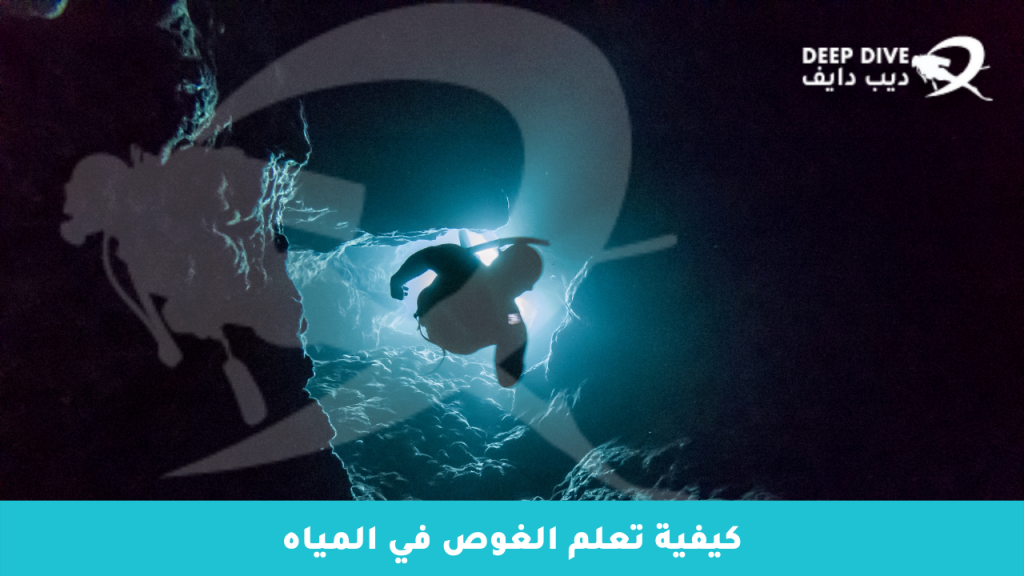
How to Learn to Dive
Anyone who loves scuba diving may want to learn how to dive and look for places to learn
You can sign up for diving courses or clubs ranging from beginner to advanced levels, and you must be confident in your abilities.
He was confident in his decision to learn to dive because it requires courage and a love of adventure
Training courses lasting approximately 8 hours are held in Turkey, divided between classroom instruction and hands-on training
They also provide training on diving equipment and offer information to help protect future divers
Istanbul Diving Club
Istanbul is a popular tourist destination renowned for its stunning natural beauty
It offers a variety of beautiful spots for diving, whether you're a beginner or a pro
There are also many diving spots in Turkey, including
- The City of Kiber
- and the city of Kash
- The city of Marsin
- Kalkan
- and the city of İvalık
and other beautiful cities and places where you can visit and enjoy the diving you love

