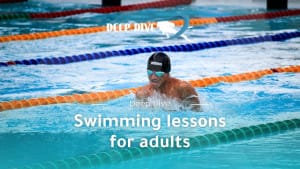
Breathing technique in swimming, or the method of regulating one’s breathing while swimming, is one of the most important skills in swimming and is arguably the most crucial aspect of swimming instruction, as it offers numerous benefits for mastering swimming and certain underwater movements.
Mastering your breathing technique is an essential part of your swimming performance, and you may encounter some difficulties with this, especially when entering and exiting the water. Swimmers should exhale as much air as possible from their chest, whether through the nose or mouth,
And this consistent breathing pattern is the key to swimming effectively and learning other skills, such as floating, underwater swimming, breaststroke, freestyle, and more.
The Importance of Breathing Techniques in Swimming
Learning to regulate one’s breathing underwater is one of the most important fundamental skills in swimming, as it helps build self-confidence and overcome the fear of water,
We begin by regulating our breathing in the shallow end, then move to the deep end. This involves taking a breath through the mouth, submerging underwater, and exhaling through the mouth and nose while underwater. We then repeat this movement several times.
The Benefits of Self-Regulation While Swimming
- Regulating your breathing while swimming helps regulate your heart rate, which protects you from heart attacks while swimming.
- It helps you swim longer without getting muscle cramps, because when you regulate your breathing, your muscles get the oxygen they need to keep working.
- Learning proper breathing techniques in swimming helps strengthen the lungs and increase their endurance while swimming.
- Self-discipline helps you acquire many skills, such as underwater swimming, scuba diving, and others.
- Once you’ve mastered the skill of self-discipline, you’ll be able to focus on your next goal without any other worries.

Learn about freestyle swimming lessons for children
Types of Breathing in Swimming
Breath-holding is a learned skill; with consistent practice, a person can stay underwater for a long time without needing to breathe.

The methods of breathing underwater or while swimming vary depending on the swimming style used, and there are several ways to breathe underwater or while swimming, including:
- Breathing to the side by breathing above the water while swimming with your head above the water, turning your head either to the right or to the left
- Hold your breath and then exhale through your mouth only while underwater.
- Hold your breath while swimming and exhale through your nose, creating bubbles.
- Hold your breath, then exhale through both your mouth and nose.
Learn about the skills and benefits of learning to swim for men
Steps for Teaching Breathing Techniques in Swimming
To master breathing techniques in swimming and regulate your breathing in the water or while swimming, you must master and practice certain exercises that help you hold your breath longer and learn how to inhale air while swimming, whether breaststroke, freestyle, butterfly, or other strokes.

Exercise 1
Holding one's breath out of the water:
First, take a deep breath, hold it, count to ten, and then exhale.
Exercise 2:
Take a deep breath, lower your face into the water, try to count to ten, then come up and exhale.
Exercise 3
Controlling the exhalation through the mouth in three steps
First: (Out of the water) Take a deep breath and exhale through your mouth, repeating this step ten times.
Second: (In the water) Take a deep breath, then submerge half your face (your mouth) under the water and exhale through your mouth while underwater. Repeat this exercise ten times, taking a breath and submerging your face each time.
Third: (Underwater) This is the most important step: take a deep breath, then submerge yourself underwater and exhale through your mouth in a steady stream of bubbles until you run out of breath. Then resurface, inhale quickly, and repeat the exercise up to five times.
Exercise 4:
Controlling the exhalation through the nose
First: Take a breath and control the exhalation through your nose without opening your mouth; place your hand over your mouth to prevent air from escaping through it, and repeat this step ten times.
Second: (Underwater) Control your exhalation underwater through your nose, and repeat this process as many times as you can.
Third: Practice exhaling underwater through your nose by taking a breath outside the water and quickly re-entering the water. You can repeat this exercise as many times as you can, preferably five times.
Exercise 5:
You might enjoy reading our article on teaching swimming to adults and children with special needs
Tips and Guidelines for Teaching Breathing Techniques in Swimming
To master the skill of breath control in the water, you need to follow several steps and keep certain precautions in mind. Here are some tips to keep in mind when learning how to breathe while swimming
- First, it’s important to note that when you start teaching breathing techniques for swimming, you should begin in shallow water.
- Do not perform these exercises directly in the water, as holding your breath for too long can cause you to lose consciousness.
- Train gradually and avoid straining your lungs as you learn to breathe underwater, so that you can master the skill of breath control in the water.
- If you have heart, blood pressure, or lung problems, avoid this exercise entirely, and it’s best not to do it alone.
Top FAQs About Breathing Techniques in Swimming
What is a good way to learn how to breathe while swimming?
First, you should learn how to breathe regularly before entering the water by doing some exercises that help your body prepare to regulate your breathing properly.
Can children be taught how to breathe while swimming?
Yes, children can learn to control their breathing through some simple exercises that help them build confidence in the water and prepare them to begin learning to swim and dive.
What is the longest time a person can hold their breath underwater?
Without training, a person can hold their breath for up to about 90 seconds before needing to take a breath. But with training, a person can learn to control their breathing and set new records in this area