

Learning to free dive is wonderful because it gives you freedom underwater and the chance to explore new worlds.
Freediving is one of the oldest sports, dating back to the Assyrians several centuries before Christ; archaeological carvings depict Assyrian soldiers crossing a river using inflatable floats made of goatskin.
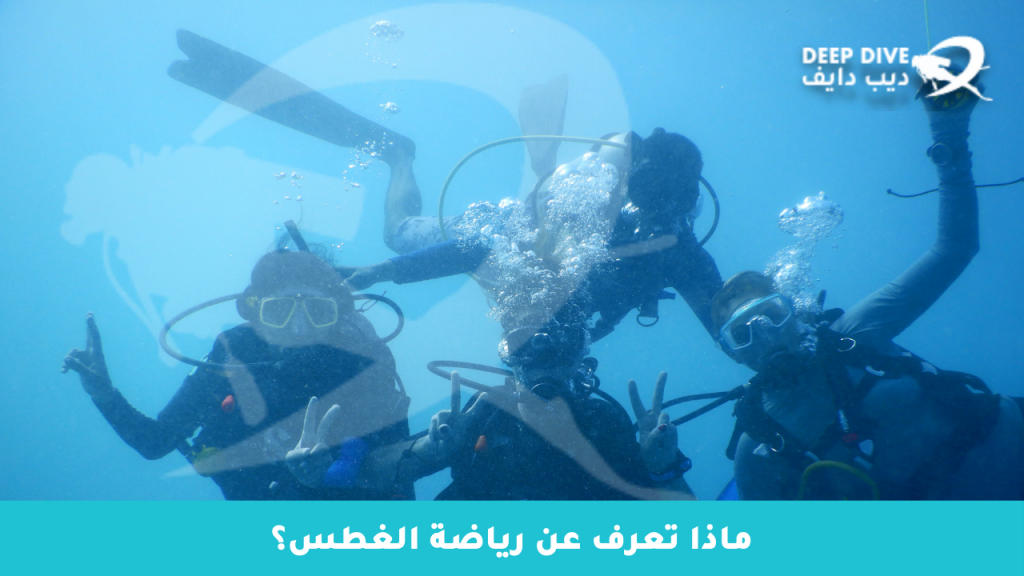
What do you know about scuba diving?
Snorkeling (yüzme) is one of the oldest and most popular sports, widely practiced in the sea, lakes, and rivers, and has recently become common in swimming clubs.
Diving has been part of the swimming events at the Olympic Games since the 1900 Games in Paris, and it is a sport that relies on muscle development, physical strength, and exceptional flexibility.
Before you learn to freedive, you should know that there are two types of diving:
- Free diving: This involves not using external breathing apparatus, but relying solely on the diver’s ability to hold their breath for as long as possible until they return to the surface.
- Scuba diving: SCUBA refers to the breathing apparatus used; in this case, diving is far removed from surface-supplied diving, and the diver is largely independent in their movement underwater.
Learn more about: Scuba Diving with First Star Equipment
Who is the diver who broke the record and made it into the Guinness World Records for free diving?
The Guinness World Records announced that Egyptian diver Ahmed Gabr has broken the world record for scuba diving, reaching a depth of 332 meters, thus becoming the world’s deepest scuba diver, having reached a depth of 332 meters underwater.
In 2026, Algerian Abdelatif Alouach broke the record to claim the top spot in the constant-weight category of freediving, thereby dethroning former French champion Arnaud Gérald.
What is the longest time spent underwater in free diving?
Some scuba divers can hold their breath for up to five minutes, and scientists are trying to explain this—and why the opposite is true for others, who cannot tolerate spending longer periods underwater.
International swimmer Herbert Nitsch from Austria has become a free diver, capable of diving to great depths without the use of traditional diving equipment; he can hold his breath for up to nine minutes.
His record-breaking dive, which reached 253 meters, is deeper than any other point in the English Channel.
Learn more about: Free diving
What are some basic tips for learning to dive properly?

First: Face your fear
The website “WikiHow” advises anyone who wants to learn free diving to start by getting used to the water and feeling comfortable in it. The first step is not to give in to the fear of drowning; simply follow these simple safety steps:
- This means not swimming alone, but staying close to at least one competent swimmer.
- Do not start learning to swim in moving water.
- If you must, it’s best to be accompanied by a professional.
- Stay away from deep water at first.
- Do not swim in unfavorable weather conditions.
- Stay away from extremely cold water.
Second: Getting used to floating
When learning to free dive, I recommend getting used to floating on the surface of the water, as this is important. You can do this by following these steps:
- It’s about holding onto something.
- Let your legs float behind you.
- Some people’s feet sink to the bottom; they just need to try again.
- Repeat the process on your stomach and back until you’re completely comfortable letting half your body float on the water.
- Practice this exercise in shallow water so you can easily stand up if you don’t succeed at first.
- For better balance, spread your arms out so your body forms a T.
- Don’t be surprised by the water covering your ears while your nose and mouth are in the air; you’ll get used to it. Once you’re comfortable with this, try to float on your back or stomach.
Third: Horizontal expansion
- Always remember that you have every opportunity to correct the situation if you’re at a great depth or can’t move your limbs.
- Don’t flail your arms around.
- Don’t breathe rapidly.
- Just lie as flat as possible and let the water carry you while you regain your composure.
Fourth: Learn to exhale underwater
- When you're underwater, take a deep breath.
- Then submerge your head underwater.
- Exhale slowly until you reach your limit.
- Then come back up; you should see air bubbles coming out.
- You can breathe through your nose or mouth; if you’re uncomfortable breathing through your nose, you can plug it and exhale through your mouth.
Fifth: Wear goggles
When learning to free dive, wear goggles:
- It will make you feel more comfortable opening your eyes underwater.
- It will give you clearer vision.
- And don’t forget to adjust the strap around your head so that it fits properly.
Sixth: Move your feet
- Whether you're floating on your back in the water or standing at the edge of the pool, you can learn foot-kicking techniques while swimming.
- You can use a kickboard to hold onto so you can focus on the exercise without worrying about your head going under the water.
- You should feel your ankles flexing during the exercise.
- Draw a semicircle with your legs as you move your right leg to the right and your left leg to the left.
- Then start moving them as you would on an exercise bike.
- But make sure to do this in opposite directions.
- So if one foot pedals forward, the other pedals backward.
- It may seem difficult at first, but you’ll get used to it.
- This is the correct way to stay in a comfortable position when your feet can’t touch the water.
- Keep your feet extended, with the toes pointing out like a ballerina.
- To keep your shoulders and head afloat, you need to spread your feet slightly apart.
- Then move them alternately.
Seventh: Crawling
- If you learn this method, you'll move faster.
- Try the exercise on your back first: lie on your back and gently kick the water with your feet.
- Then crawl using your arms by raising one arm straight up in the air and keeping it straight so that it returns to the water beside your head.
- As soon as you go underwater, bend your arm to straighten it again, but this time from the side.
- Then repeat this movement.
- Alternate your arms as you swim.
- Try to keep your fingers together.
- Keep your arms as straight as possible.
- You can also try breaststroke by lying on your stomach, kicking gently with your feet, and using your arms to propel yourself forward through the water.
- Then extend one hand out of the water.
- Then lower it back in and use your other hand to push the water behind you.
- Repeat the process, alternating between hands.
- To breathe, tilt your head down toward the arm that is moving.
- Lift your head just enough to breathe.
- Take a breath each time from under the same arm, so you breathe once every two strokes.
Eighth: Flush the toilet
- Perform the previous movement in shallow water as a precaution.
- Use your arms to maintain your balance by paddling with them.
- Keep your forearms extended on the surface of the water.
- Imagine them as two knives spreading butter on a slice of bread.
- And don’t forget to move one arm in a clockwise circle and the other in a counterclockwise circle.
Ninth: Use your arms to climb
- To climb up, use your arms to push yourself up.
- Simply raise your arms straight above your head and then quickly lower them to your sides.
- This will propel your body slightly.
- Repeat the process until you return to the surface of the water.
10. Going Against the Grain
- Be prepared for challenging diving sites.
- One of the most difficult is a strong current that could pull you under, whether in a river or the sea.
- To escape ocean and river currents, you must not panic.
- This will cause you to move erratically and drown.
- Try to swim parallel to the shore.
- Swim using the best strokes you know.
- Swim in a way that allows you to breathe.
- Be prepared to swim a long distance until you break free from the current or whirlpool.
- Never stop swimming, no matter what happens, until you reach safety.
- Wave your hands at the lifeguard if you can so they can help you.
- But don’t waste your breath shouting.
- And don’t try to swim against the current unless it’s pushing you toward danger, such as a waterfall or rocks.
What are the basic instructions and training requirements for scuba diving?
The scuba diving courses are:
- Equipment installation.
- Prepare and set up the equipment.
- Putting on equipment.
- Inflating and deflating the buoyancy compensator.
- Getting familiar with diving using diving equipment.
- Clearing water from the regulator.
- Retrieving the regulator underwater.
- Draining water from the mask underwater.
- Swimming with fins.
- Adjusting weights for diving.
- How to equalize pressure while swimming.
- How to descend to the bottom of the pool, then ascend to the surface, and finally exit the water.
Learn more about: Scuba Diving (First Assistant)
How long is the normal duration of breath-holding underwater?
Scientists say that the lungs can hold a certain amount of air for up to 4 minutes.
However, when learning to free dive, at a certain point our body forces us to take a breath; this moment is called the "stop point."
How can I increase my breath-hold time while diving?
If you want to learn long-distance freediving, follow these steps:
- Learn self-regulation skills by filling your lungs with oxygen through the process of inhaling and exhaling.
- Wet your body with water before diving so that your body temperature matches that of the water.
- Jump a long distance into the water.
- Move your arms and legs in a coordinated manner.
- Relax while swimming.
What are the best diving clubs in Istanbul?
The best clubs for learning freediving in Istanbul are:

- Deep Dive Club
- Fishmen Active Sports Club.
- Ataköy Aydin Swimming Club.
- Ataköy Maritime Club.
- Kadibustan Fishmen Club.
- Bakirköy Ata Sports Club.
- Beylerbeyi Water Sports Club.
- Olympic Sports Club.
- Marmara Sports Club.
- Mertir Sports Club Association.
- Marmara Sports Club.
- Kızıltepe Sailing Club.
Learn more about the newest gyms and top trainers at Deep Deep
To contact us on WhatsApp about learning free diving, click here
Don't forget to visit our Facebook page to see all our upcoming events.
Frequently Asked Questions
u003cstrongu003eWhat is scuba diving?u003c/strongu003e
Diving is: one of the oldest and most popular sports, widely practiced in the sea, lakes, and rivers, and more recently in sports clubs.
u003cstrongu003eHow do I learn to scuba dive?u003c/strongu003e
Learning to free dive isnu0026#x27;t difficult, but it isnu0026#x27;t easyu003cbru003eeither; you need an instructor who is well-versed in all aspects of swimming to learn properly.
u003cstrongu003eWhat are the best diving clubs in Istanbul?u003c/strongu003e
The best clubs in Istanbul, Turkey, are:u003cbru003eDeep Diveu003cbru003eClub, Fişmin Active Sports Club,u003cbru003eAtaköy Aydin Swimming Club,u003cbru003eAtaköy Marine Club,u003cbru003eKadıköy Fişmin Club,u003cbru003eand Bakırköy Ata Sports Club.
How many diving courses are there in Turkey?
A scuba diving trainee must complete four courses; upon successful completion of these courses, the trainee is awarded a certificate of completion in exchange for a fee of $350. This is the average cost of diving lessons at diving centers and sites.
u003cstrongu003eHow much does it cost to learn scuba diving in Turkey?u003c/strongu003e
The average cost of learning to scuba dive is $300–$550.
Sources:


